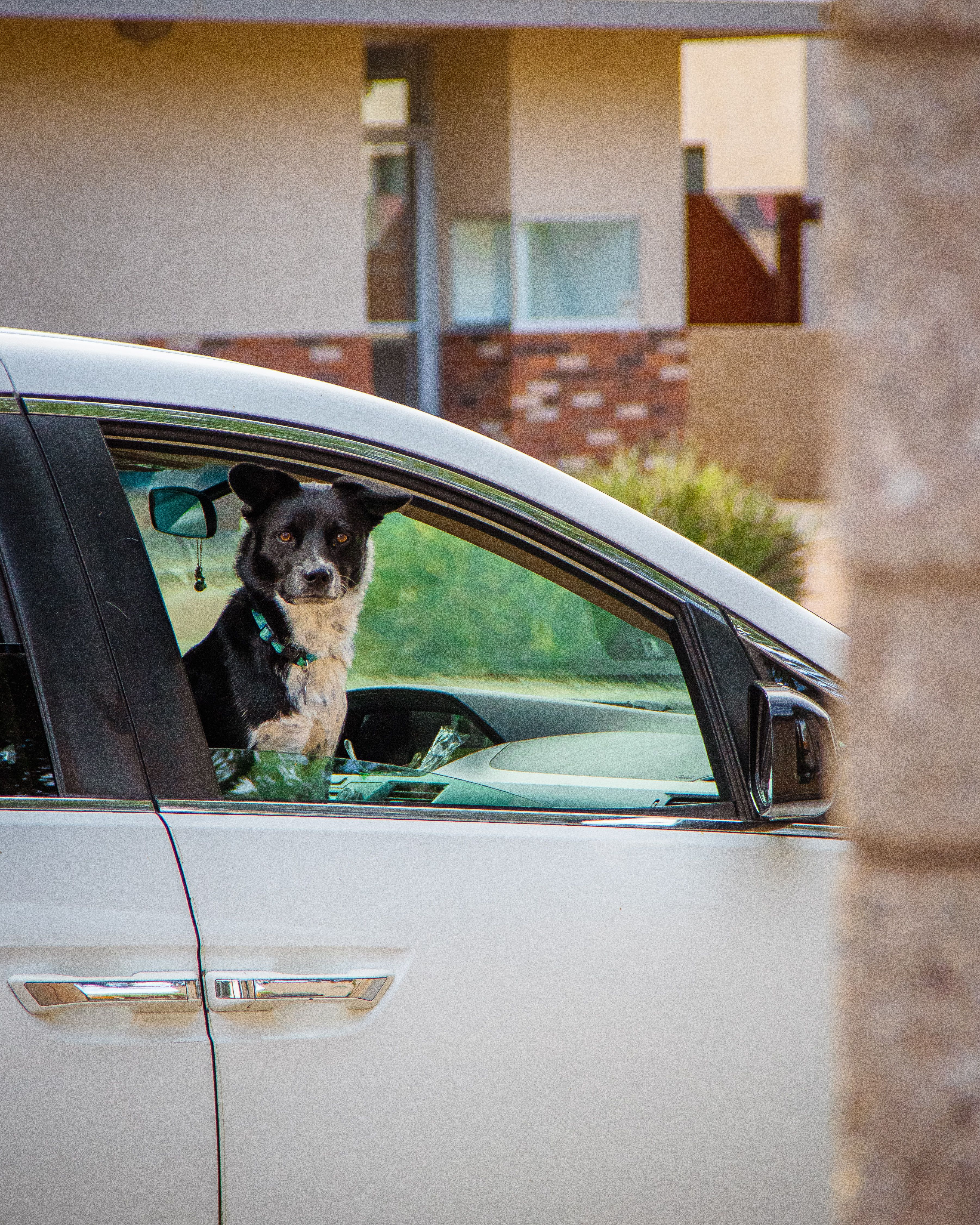
How to Help Your Dog Feel Calmer in the Car
Whining and pacing can point to motion sickness, anxiety, or both. Learn how to start with calm stationary sessions, build up gradually, and recognize when veterinary guidance is needed.
Thoughtful guidance for their everyday.
Practical ideas for more good days together.
 OUR FAVOURITE KIND OF COMPANY.
A useful dog-care guide should make the next step clearer. Waggle Hollow focuses on routines you can observe and questions you can take to the right professional. That may mean checking a food label, tracking a behavior change, preparing for a first training session, or making an older dog more comfortable at home. Each article explains its limits so general information is not mistaken for advice about an individual dog.
Start with the topic closest to your dog's current life stage, then follow the related guides for more context. Nutrition and health stories link their supporting sources and carry a veterinary notice. Product links are clearly disclosed, and many guides point to a free checklist or a simple routine instead of a purchase.
Small observations often make dog-care decisions easier. Note what happened, when it started, how often it occurs, and what changed in the dog's food, schedule, home, exercise, or medication. A short written record is more useful than relying on memory after several busy days. For feeding questions, keep the package label and record the amount offered rather than describing a scoop as small or large. For behavior questions, describe what the dog did without guessing at the reason. These details help you compare routines and give a veterinarian or trainer a clearer starting point.
Everyday care covers home routines, grooming, walking, enrichment, and the practical tasks that support a comfortable week. Puppy guides focus on foundations such as predictable schedules, supervision, social learning, and reward-based training. Senior-dog stories look at comfort, mobility, changing sleep patterns, and signs worth documenting. Nutrition guides explain labels, portions, storage, and product comparisons while keeping medical decisions with a veterinarian. Each topic has a different purpose, so the most popular article is not always the most useful place to begin.
Source links let you check where a claim came from and whether it applies to your situation. We favor veterinary organizations, public agencies, universities, and peer-reviewed research for health and nutrition topics. A source can support a general point without proving that one treatment or product is right for an individual dog. Publication date, study population, dose, outcome, and study design all affect what a finding means. When a guide raises a concern about pain, illness, sudden behavior change, or a possible emergency, use it to prepare questions and contact a veterinarian rather than trying to diagnose the problem online.
General guidance is most useful for planning routines, recording observations, and preparing questions. It cannot examine your dog or account for a complete medical history. Stop and seek professional help when a dog has sudden weakness, trouble breathing, collapse, repeated vomiting, uncontrolled bleeding, severe pain, a swollen abdomen, or possible poisoning. For less urgent concerns, bring a timeline, photographs when appropriate, food and supplement labels, medication details, and a list of the changes you have noticed. Good records help the veterinarian or qualified trainer spend more time on the individual dog and less time reconstructing what happened.
Whining and pacing can point to motion sickness, anxiety, or both. Learn how to start with calm stationary sessions, build up gradually, and recognize when veterinary guidance is needed.

A schedule change can unsettle a dog. Learn how to observe alone-time behavior, start with brief absences, and recognize when extra help is needed.

A coat-aware brushing routine can help manage loose hair during peak shedding weeks. Learn why double coats should generally remain intact and which changes call for veterinary attention.
Find a little guidance for
wherever life takes you.
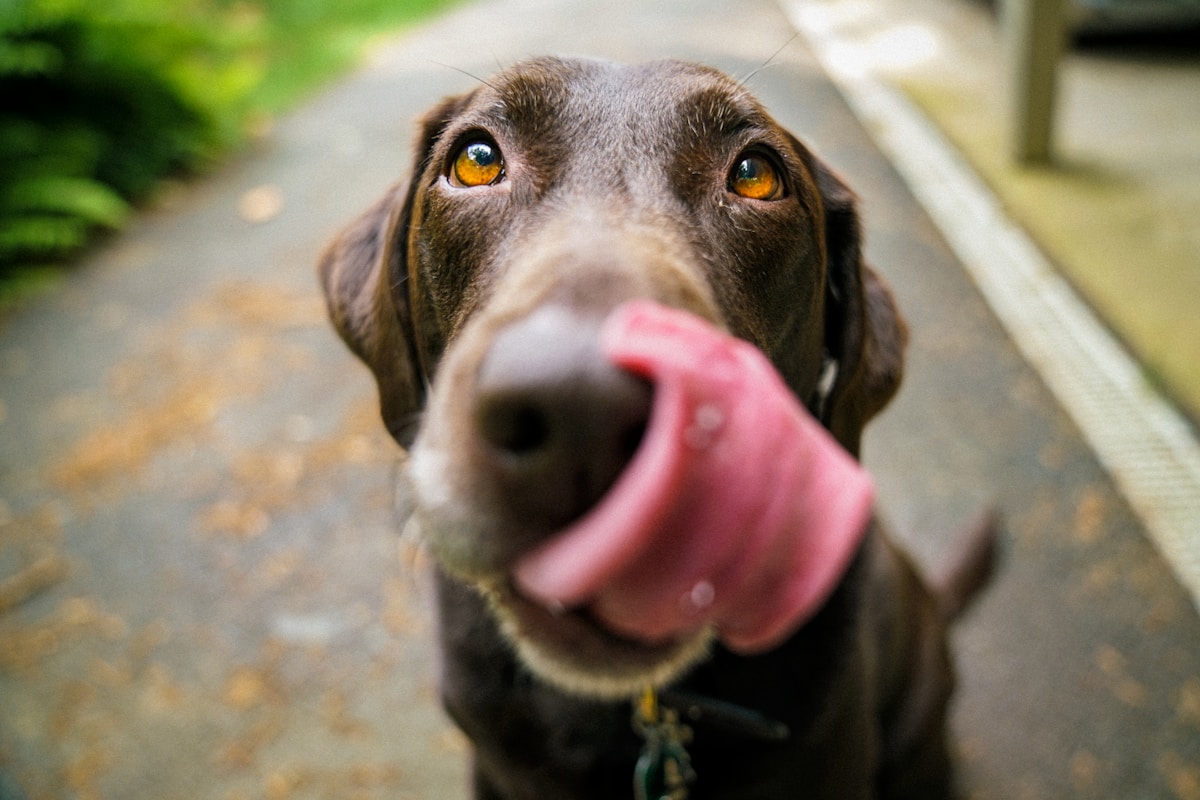 THE EVERYDAY ADVENTURE
Track what happens before, during and after barking, then use the pattern to guide management, reward-based teaching and veterinary support when needed.
Take a little wanderWe’re here for the questions that come with loving a dog.
With thoughtful stories, practical ideas, and room to just enjoy it.