How to Help Your Dog Feel Calmer in the Car
Whining and pacing can point to motion sickness, anxiety, or both. Learn how to start with calm stationary sessions, build up gradually, and recognize when veterinary guidance is needed.
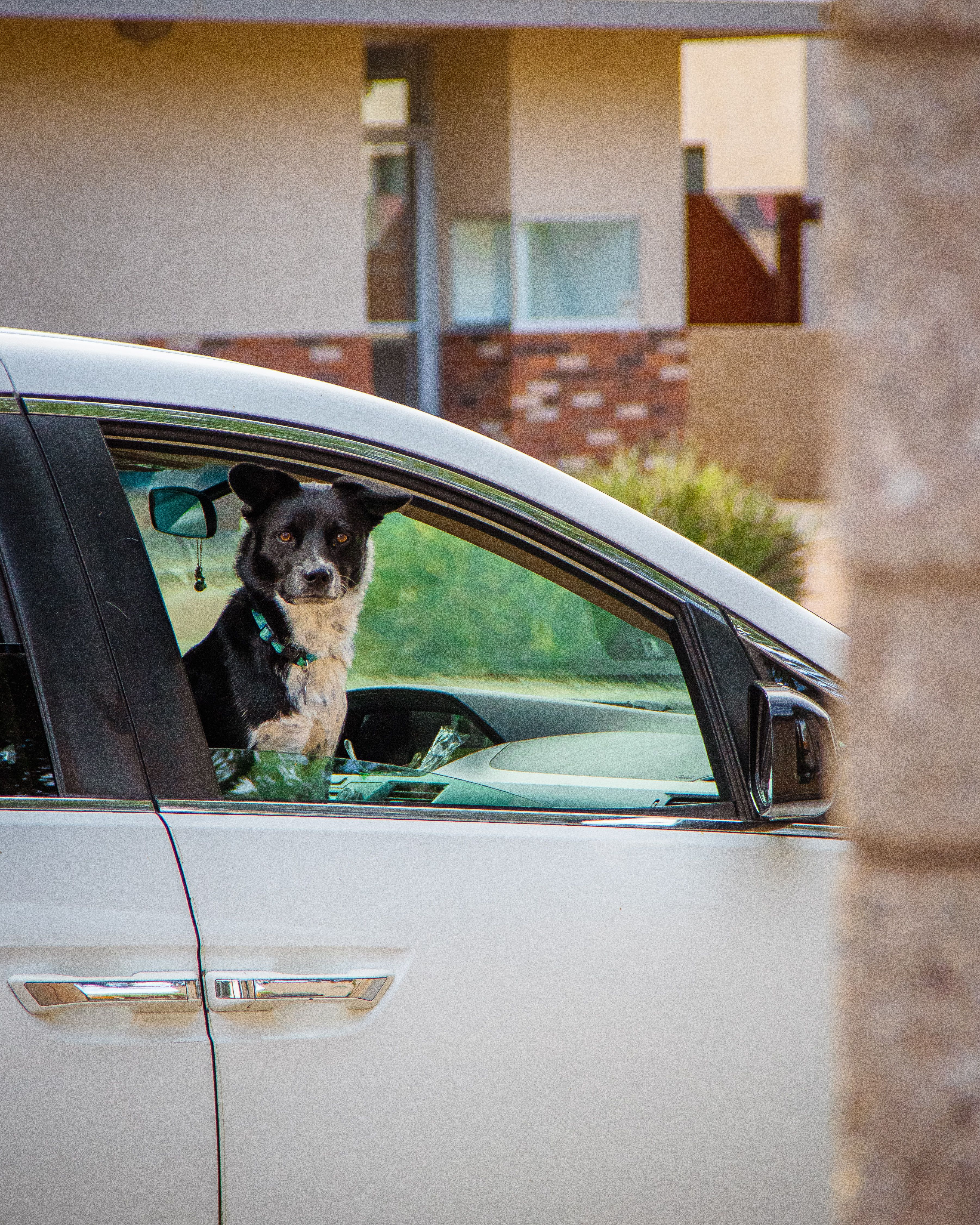
Photo by Melanie Brumble under the Pexels License.
A dog who whines or paces in the car may be dealing with anxiety, motion sickness, or a combination of the two. Those signs can overlap, so one behavior does not identify the cause by itself. A gradual plan can help you learn what your dog can handle without turning each trip into an escalating struggle.
Start before the car moves
Begin with the car parked and your dog safely secured. Keep the first sessions brief and quiet. The goal is simply to let your dog spend time in the car while it remains stationary. If your dog stays relaxed, repeat the session rather than immediately making it more difficult.
Progress in small stages. After calm stationary sessions, you can try the next step, such as having the car running while still parked, and then a very short drive. This is controlled exposure: change only one part of the experience at a time and keep the trip short.
Watch your dog throughout each stage. If stress appears, stop or return to an easier step. Continuing while distress increases can make the experience harder rather than helping your dog adjust. There is no benefit to forcing a dog through escalating anxiety.
Look for clues about nausea
Motion sickness can include:
- Whining
- Pacing
- Drooling or heavy salivation
- Lip-licking
- Vomiting
- Defecation
Anxiety can also be part of car distress, and nausea and anxiety may occur together. Because several signs overlap, keep notes about when the behavior begins and whether it appears only once the car moves. This information can help you describe the pattern to your veterinarian, but it cannot replace an assessment.
If your dog vomits, has heavy salivation, or repeatedly shows other signs of motion sickness, ask a veterinarian for guidance. Persistent nausea may need a different plan from behavior practice alone. Severe anxiety also deserves veterinary advice, particularly if your dog cannot remain settled long enough for gradual exposure.
Keep every trip secure
Use a safe restraint for every car trip. Restraint is important even while you are working on calm behavior. It prevents your dog from moving freely around the vehicle and supports a more controlled training setup. The restraint should be in place during stationary sessions as well as during short drives.
Do not use a long journey as the first test. Short, gradual trips are preferable to forcing a dog through a difficult ride. If a short drive produces increasing distress, return to stationary practice and consult your veterinarian about the next step.
Build a repeatable routine
A useful sequence is:
- Secure your dog in the parked car.
- End the session while your dog is still coping calmly.
- Repeat stationary sessions until this stage is manageable.
- Introduce a small increase in difficulty, such as starting the car while parked.
- Try a very short drive only when the earlier stage remains calm.
- Stop or step back when stress appears.
Progress may not be smooth. A dog who manages one session may need an easier session next time. Treat each return to a simpler step as useful information, not failure.
Car distress is not something to diagnose from whining or pacing alone. Motion sickness, anxiety, or both may be involved. Calm stationary practice, controlled progression, secure restraint, and timely veterinary guidance provide a safer way to work toward more comfortable travel.
Further reading & sources
Dog Behavior and Training - Traveling by Air and Car - VCA ↗Motion Sickness in Dogs - VCA County West ↗Every dog is different. This is general information, not a diagnosis or treatment plan. Ask your veterinarian about individual health, diet, and supplement decisions.