A Cause-First Worksheet for Excessive Dog Barking at Home
Track what happens before, during and after barking, then use the pattern to guide management, reward-based teaching and veterinary support when needed.

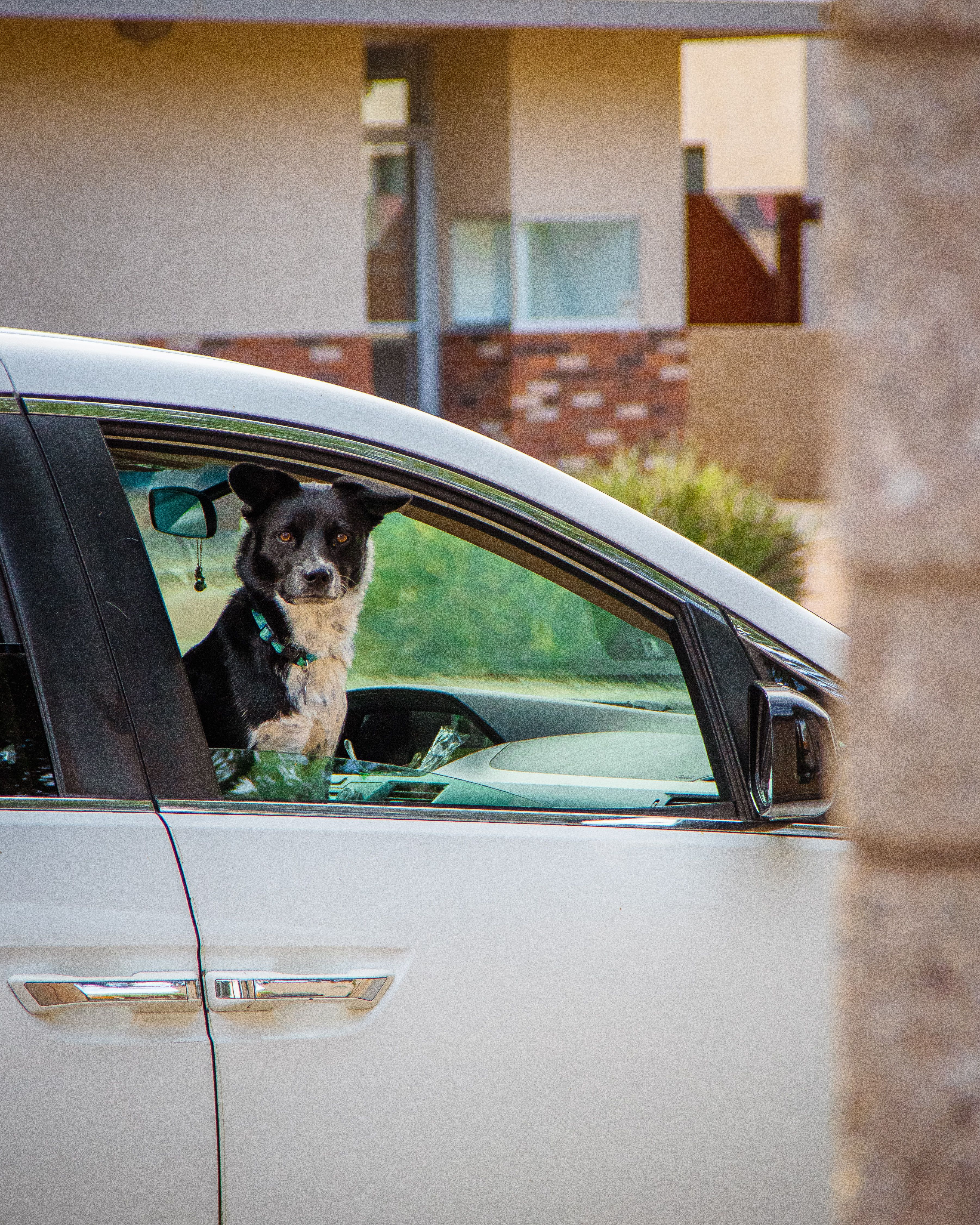
Photo by Bethany Ferr under the Pexels License.
Barking is communication, so the most useful first question is not “How do I stop it?” but “What is causing it here?” Cornell University College of Veterinary Medicine and the RSPCA both recommend identifying the reason for barking before choosing a response. A cause-first record can help you spot patterns instead of reacting to each outburst in isolation.
Start a simple barking record
For each episode, write down:
- Time and location: Note where your dog was, such as a window, garden, hallway or crate area.
- Trigger: Record what happened just before the barking. It might be a sound, a person, another animal or a change in the home.
- Body language: Describe what you observed without guessing at your dog's feelings. For example, note whether your dog moved toward the trigger, backed away or stayed in one place.
- What happened next: Include how the person, animal or sound changed and how your dog responded.
- What you did: Record whether you moved your dog, changed the environment or offered a reward.
Use the notes to look for repeated combinations of trigger, place and response. The goal is to understand the barking's cause and motivation, because management and reward-based teaching should match that pattern.
Reduce triggers you can control
Once you see a predictable trigger, begin with management. If a particular view or sound repeatedly starts barking, consider how you can reduce your dog's access to that trigger at home. You might change where your dog spends time or alter the situation so the trigger is less likely to prompt another episode. The RSPCA specifically recommends management that matches the trigger and the dog's motivation.
Management is not the same as teaching that barking is unwanted. It is a way to make practice less frequent while you work on a new response. Keep adding observations to the worksheet so you can tell whether the change is helping.
Teach a quiet alternative with rewards
Reward-based teaching can help your dog learn a response that is incompatible with continuing to bark. First identify a calm behavior your dog can perform in the relevant setting, then reward that behavior when your dog offers it. The exact behavior should fit the trigger and your dog's ability to respond in that moment.
Your timing matters: use the reward to support the quiet behavior you want to see, rather than relying on punishment after barking has already happened. Cornell advises addressing the cause instead of relying on negative enforcement devices. A response that suppresses sound without addressing fear or another underlying cause may not solve the problem.
Keep the worksheet beside you during practice. Note the trigger, the alternative behavior and whether your dog could respond. If your dog cannot settle enough to learn, return to management and consider professional guidance rather than escalating the correction.
Check for health changes
A noticeable increase in barking deserves attention to your dog's health as well as behavior. The RSPCA advises checking for health problems when barking increases, and Cornell notes that medical causes may contribute to excessive barking. Compare the current pattern with your dog's usual behavior and record when the change began.
Contact a veterinarian if the increase is new, unexplained or accompanied by other concerns. Fear-related barking may require help from a veterinarian or veterinary behaviorist, according to Cornell. Seek qualified help for a pattern that appears fear-driven, creates a safety concern or remains difficult to manage despite careful observation and reward-based teaching.
A completed worksheet will not diagnose the cause, but it can give you and your veterinary or behavior professional a clearer starting point. It also keeps the plan focused on the specific trigger rather than treating every bark as the same problem.
Further reading & sources
Cornell University College of Veterinary Medicine: Excessive barking ↗RSPCA: How to Stop Your Dog Barking Too Much ↗Every dog is different. This is general information, not a diagnosis or treatment plan. Ask your veterinarian about individual health, diet, and supplement decisions.