How to Manage Seasonal Dog Shedding Without Damaging the Coat
A coat-aware brushing routine can help manage loose hair during peak shedding weeks. Learn why double coats should generally remain intact and which changes call for veterinary attention.

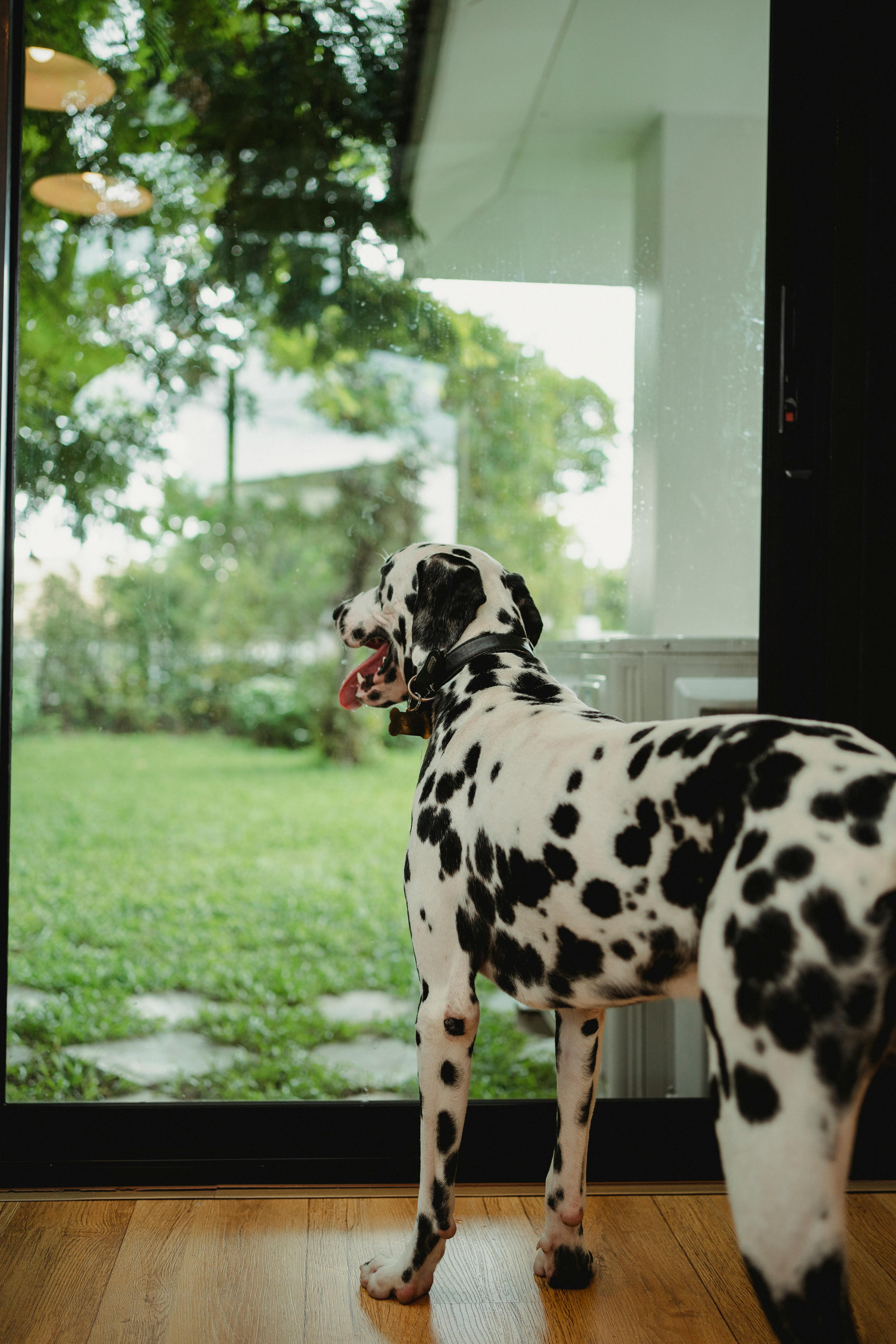
Photo by Yaroslav Shuraev under the Pexels License.
Seasonal shedding is a normal part of life for many dogs, and some dogs shed more heavily in spring and fall. The goal during those peak weeks is not to stop shedding altogether. Instead, build a brushing routine that matches your dog's coat and helps remove loose hair before it becomes a larger household problem.
Start with the coat, not the calendar
Brushing needs vary with coat type, so there is no single schedule that suits every dog. A useful first step is to identify whether your dog has a double coat and then adjust the routine when shedding increases.
A double coat has two layers: a protective topcoat and an insulating undercoat. During heavier shedding, regular brushing helps remove loose undercoat and can help prevent mats. This makes the condition of the coat more useful as a guide than a fixed rule about how often every dog should be brushed.
If your dog's coat is double-coated, treat the undercoat as part of the coat that needs care, not as excess hair to remove by clipping or shaving. Experts generally advise against shaving double-coated dogs except in limited circumstances. Removing the coat is not the same as brushing out loose hair, and it changes the structure that provides both protection and insulation.
A simple routine for peak shedding weeks
Use these steps to make brushing a repeatable part of care:
- Check the coat before each session. Look for loose undercoat, areas beginning to tangle, and mats. The purpose of the session is to remove hair that is ready to come out and keep the remaining coat in good condition.
- Brush regularly while shedding is heavier. Since brushing needs vary by coat type, let the amount of loose hair and the risk of matting guide how often you work on the coat. A double-coated dog may need particular attention to the undercoat during seasonal shedding.
- Pay attention to areas that mat. Regular brushing is useful partly because it can help prevent mats. If you find a mat that does not come out readily, avoid treating the coat as though all hair should simply be removed. A grooming professional or veterinarian can advise on difficult cases.
- Keep the coat intact. Do not use shaving as a routine response to seasonal shedding, especially for a double-coated dog. Brushing is the appropriate focus for removing loose undercoat, while the topcoat and undercoat should generally remain in place.
- Recheck the skin and coat. Brushing gives you a chance to notice whether the coat looks different from its usual seasonal pattern. Record or photograph a change if it is difficult to judge over several days, then share that information with your veterinarian if needed.
There is not enough information in the available guidance to recommend one specific brush, a universal number of sessions, or a precise technique for every coat. Those choices depend on the individual dog's coat type and condition. The supported principle is simple: brush regularly, remove loose undercoat, and avoid routine shaving of double coats.
When shedding needs more than household management
Seasonal shedding should not be used to explain away every change in a dog's hair or skin. Sudden hair loss, bald patches, or irritated skin can signal a problem that needs veterinary evaluation. These signs are different from a predictable increase in loose hair during spring or fall.
Arrange veterinary evaluation when hair loss is sudden or unusual for your dog, when you can see bald areas, or when the skin appears irritated. A vet can assess the change rather than assuming it is ordinary shedding. Until then, continue to treat the coat gently and avoid shaving in an attempt to solve an unexplained problem.
A coat-aware routine is mostly about consistency: recognize your dog's coat type, brush more attentively during heavier seasonal shedding, keep double coats intact, and take unexpected hair or skin changes seriously.
Further reading & sources
Managing Dog Shedding - American Kennel Club ↗Double-Coated Dog Breeds - American Kennel Club ↗Every dog is different. This is general information, not a diagnosis or treatment plan. Ask your veterinarian about individual health, diet, and supplement decisions.