Dog Walker Hiring Guide: An Interview Checklist
Use this dog-walker interview checklist to compare handling methods, insurance, emergencies, communication, route safety, and your dog's individual needs.
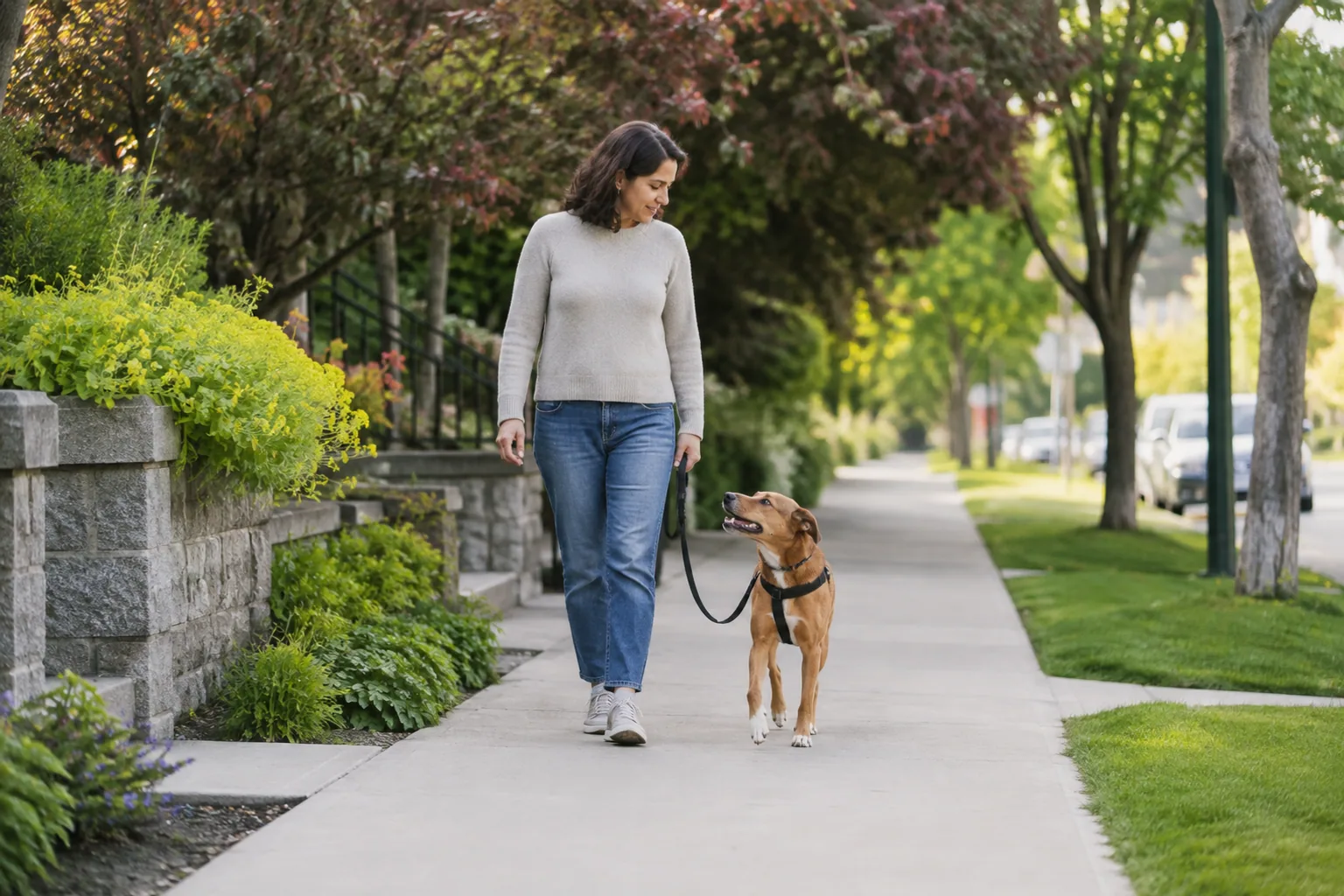
A dog walker enters your home, handles your dog in public, and makes decisions when you are not there. Choose one through a structured interview and a supervised trial. Price and availability matter, but handling methods, reliability, insurance, emergency preparation, and fit with your dog deserve equal weight.
Write the job before comparing people
Describe the days, time window, walk length, location, number of dogs, feeding or medication tasks, and update format you need. Include your dog's size, age, mobility, triggers, equipment, recall, medical history, and behavior around people, dogs, traffic, wildlife, and food.
Be honest about pulling, fear, guarding, escape attempts, or previous bites. Hiding risk prevents a walker from planning safely.
Ask how walks are actually handled
Find out whether walks are solo or grouped, how dogs are matched, how many dogs one person handles, how transport works, and whether the same person arrives each time. Ask where they walk and how routes change during heat, storms, poor air quality, or icy conditions.
Ask the candidate to explain what they do when a dog freezes, lunges, refuses to move, slips equipment, finds food, or meets an off-leash dog. Specific answers reveal more than “I love dogs.”
Discuss training methods directly
AVSAB recommends reward-based training methods. Ask what equipment the walker uses, whether food rewards are permitted, and how they respond to unwanted behavior. Avoid vague promises of instant obedience or methods based on pain, fear, leash corrections, intimidation, or forcing a dog through distress.
A walker should follow the household's agreed cues and management plan rather than invent a new behavior program during an ordinary walk.
Verify business safeguards
Request references and verify relevant business registration, insurance, bonding, background checks, or permits where applicable. Ask who covers the walk if the usual person is ill and whether a substitute will meet you first.
Read the service agreement. It should address keys or entry codes, cancellations, weather, veterinary authorization, transport, injuries, lost dogs, photographs, group walks, and data privacy. Do not share more access than the service needs.
Build an emergency card
Provide your phone number, a backup contact, regular veterinarian, emergency clinic, current medication list, known conditions, microchip details, and clear spending or treatment authorization. Explain where the carrier, leash, and medical records are stored.
Agree on events that require an immediate call: escape, bite, injury, collapse, breathing difficulty, repeated vomiting, inability to walk, or suspected toxin exposure. The walker should know local reporting requirements and have a charged phone.
Run a supervised trial
Meet outside or in a low-pressure area. Watch whether the walker gives the dog space, checks equipment, notices body language, and adapts pace. Walk part of the normal route together. Then arrange a short independent trial and review the report.
Useful updates include arrival and departure times, route, elimination, water, behavior changes, incidents, and a clear photo only when safe. Tracking should never distract from handling the dog.
Reassess the relationship
Check equipment fit and instructions regularly. Ask whether the dog is recovering normally after walks and whether triggers have changed. A good dog walker communicates early, respects limits, and makes care more consistent rather than more complicated.
Further reading & sources
AVSAB: Humane dog training position statement ↗AVMA: Dog bite prevention ↗AKC: Should you take your dog to a dog park? ↗Edited by Waggle Hollow
Every dog is different. This is general information, not a diagnosis or treatment plan. Ask your veterinarian about individual health, diet, and supplement decisions.