Bernese Mountain Dog: Care and Household Fit Guide
Explore Bernese Mountain Dog size, coat care, training, exercise, companionship, costs, and health questions before choosing this large working breed.
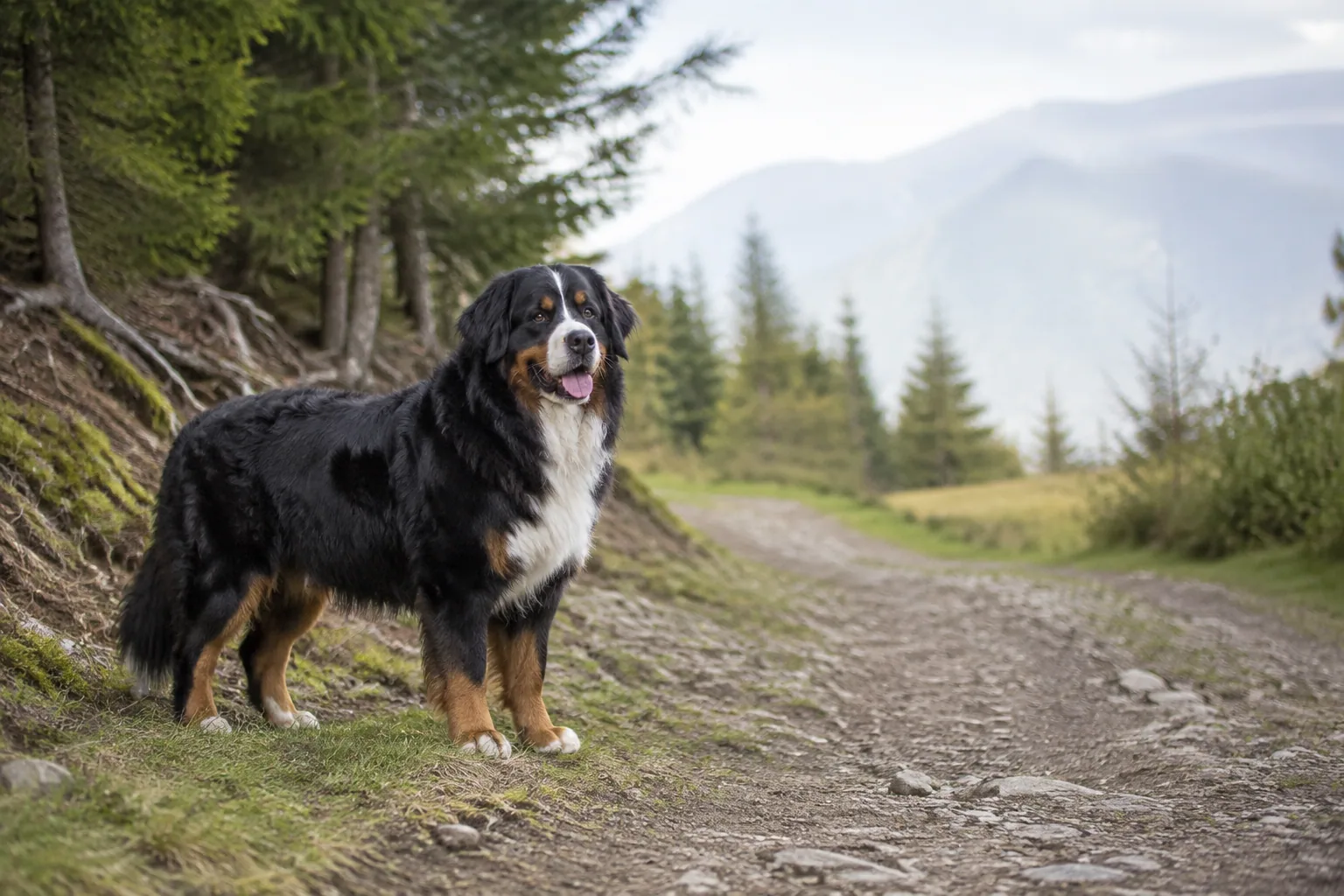
A Bernese Mountain Dog is a large working breed known for a striking tri-color coat and close attachment to family. The appealing photograph is only the beginning of the decision. Prospective owners should plan for substantial size, grooming, training, companionship, climate management, veterinary care, and lifetime costs.
Start with the adult dog, not the puppy
Bernese puppies grow into powerful adults. Make sure every regular caregiver can manage transport, leash handling, stairs, and emergencies safely. Measure vehicles, doorways, sleeping areas, and any crate before buying equipment.
Large-dog costs extend to food, preventive care, medication, boarding, grooming tools, and sometimes mobility support. Build an emergency fund or evaluate insurance before bringing the dog home.
Expect a working-dog background
The AKC places the Bernese Mountain Dog in the working group. Historic function can influence strength, willingness to work with people, and interest in structured activity. It does not create an identical temperament in every individual.
Ask the breeder, rescue, or foster caregiver about the actual dog's confidence, recovery after surprise, handling, sociability, energy, and ability to settle. Observe ordinary behavior rather than relying on one brief greeting.
Plan for coat and climate
The breed's substantial double coat requires regular brushing and realistic expectations about shedding. Check behind ears, around friction points, and other areas where tangles can develop. Introduce grooming through short, reward-based sessions and arrange professional help when needed.
A heavy coat also affects warm-weather planning. Provide shade, water, cool indoor rest, and activity at safer times. Watch the individual dog and follow veterinary guidance rather than using a fixed exercise target.
Train for everyday cooperation
A large dog benefits from early, reward-based practice with leash walking, recall in secured areas, settling, polite greetings, handling, grooming, and entering a vehicle. Prevent rehearsal of jumping or pulling by arranging the environment and rewarding manageable alternatives.
Keep sessions brief and clear. Avoid intimidation or painful equipment. If fear, guarding, reactivity, or separation distress appears, involve the veterinary team and a qualified reward-based professional.
Research health before committing
Every breed has health considerations, but an online list cannot diagnose an individual dog or guarantee an outcome. Ask a responsible breeder which health tests were performed on both parents, how results can be independently verified, what conditions occur in the family, and what support the contract provides.
For a rescue dog, request all available records and schedule a veterinary evaluation. Discuss body condition, joints, heart health, skin and ears, dental care, preventive care, and any changes in appetite, movement, breathing, or behavior.
Consider companionship and schedule
Bernese Mountain Dogs are commonly described as affectionate and family oriented. That makes household inclusion important, but it does not mean every dog tolerates long periods alone or every busy home suits them.
Plan who provides walks, training, grooming, and company. Introduce children and other pets carefully, with supervision and places for everyone to rest separately.
Make the decision from evidence
Meet mature dogs, speak with multiple experienced caregivers, review verified health information, and compare your daily capacity with the breed's likely needs. A good match is not proven by loving the look of a Bernese Mountain Dog. It is shown by a realistic plan for the large adult who will share your home.
Further reading & sources
AKC: Bernese Mountain Dog breed information ↗AKC: List of breeds by group ↗AKC: How to choose the right dog ↗Edited by Waggle Hollow
Every dog is different. This is general information, not a diagnosis or treatment plan. Ask your veterinarian about individual health, diet, and supplement decisions.