Should You Get a Second Dog? A Practical Checklist
Use this checklist to assess your resident dog, household capacity and introduction plan before bringing home another dog.

Photo by Natalia Trofimova under the Unsplash License.
Adding a second dog can be rewarding, but it is not automatically the right choice for every household or resident dog. Dogs vary in how much they enjoy other dogs, so start by assessing the dog you already have rather than assuming a canine companion will be welcome.
Start with your resident dog
Ask:
- Does your dog generally remain relaxed around other dogs?
- Can your dog move away, rest and settle when another dog is nearby?
- Have you seen fear, aggression or repeated tension around dogs?
- Can you manage your dog safely if an introduction becomes uncomfortable?
A dog that prefers distance is not necessarily a good match for a multi-dog home. If fear or aggression is part of the picture, seek help from a veterinarian or a qualified clinical animal behaviorist before proceeding. A second dog should not be treated as a guaranteed solution for loneliness or behavior problems. The supplied evidence is insufficient to promise that adding another dog will resolve either one.
Check the household capacity
Before choosing a dog, write down how the household would handle:
- Daily time and attention for two individual dogs
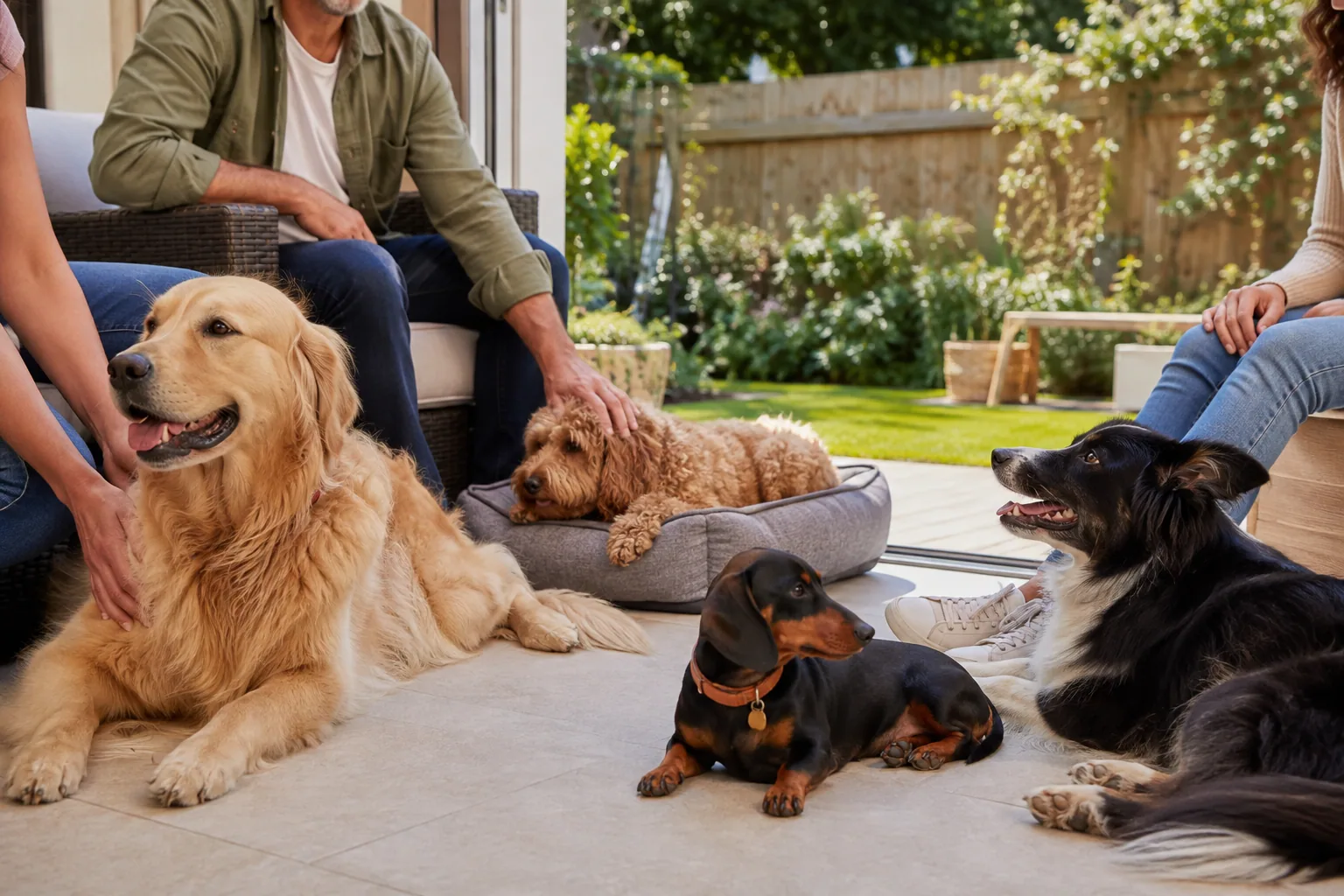
- Enough living space for each dog to move away and rest
- Separate food, resting and other essential resources
- Supervision while the dogs learn to share the home
- Finances for the ongoing needs of two dogs
- Backup care if you are ill, away or unable to manage both dogs temporarily
Space is not only about floor area. The dogs need opportunities to disengage from each other and rest. Make a simple plan for where each dog can settle, and how you will keep resources separate. Remove high-value toys and bones before the dogs enter the home together, as the RSPCA recommends.
If your answers depend on the dogs immediately entertaining each other, revisit the plan. The goal is not constant interaction. It is a household arrangement in which both dogs can have space, separate resources and calm supervision.
Plan a low-pressure first meeting
Do not make the first meeting a rushed handoff at home. Prepare in stages:
- Swap scents first. Let each dog become familiar with the other's scent before the face-to-face meeting.
- Choose neutral outdoor ground. Meet somewhere that belongs to neither dog rather than bringing the new dog straight into the resident dog's space.
- Use two handlers. Each dog should have a person responsible for handling and observing them.
- Keep leads relaxed. Allow space and avoid forcing the dogs together.
- Watch for tension. If either dog becomes uncomfortable, calmly create more distance and separate them.
- Use planned breaks. Even a promising meeting should include pauses rather than prolonged contact.
A calm first meeting is useful information, not a guarantee that the dogs will immediately share a home smoothly. Continue supervision after they meet, and provide separate resources once they are living together. Keep giving each dog opportunities to move away and rest.
Decide before you commit
A second dog is a stronger candidate for your household when your resident dog can be managed safely around dogs, your home allows separation and rest, and your routine, finances and backup plan can cover two animals without relying on instant companionship between them. If those pieces are uncertain, pause and gather more guidance before proceeding.
The decision should protect the dog you already have as well as the dog you may bring home. Careful introductions and ongoing supervision cannot remove every risk, but they give you a more controlled way to assess compatibility and respond when either dog needs space.
Every dog is different. This is general information, not a diagnosis or treatment plan. Ask your veterinarian about individual health, diet, and supplement decisions.