How to Redirect Puppy Biting and Mouthing
Puppy mouthing is a normal part of exploration and play, but a calm, consistent response can teach your puppy to choose toys instead of hands and clothing.

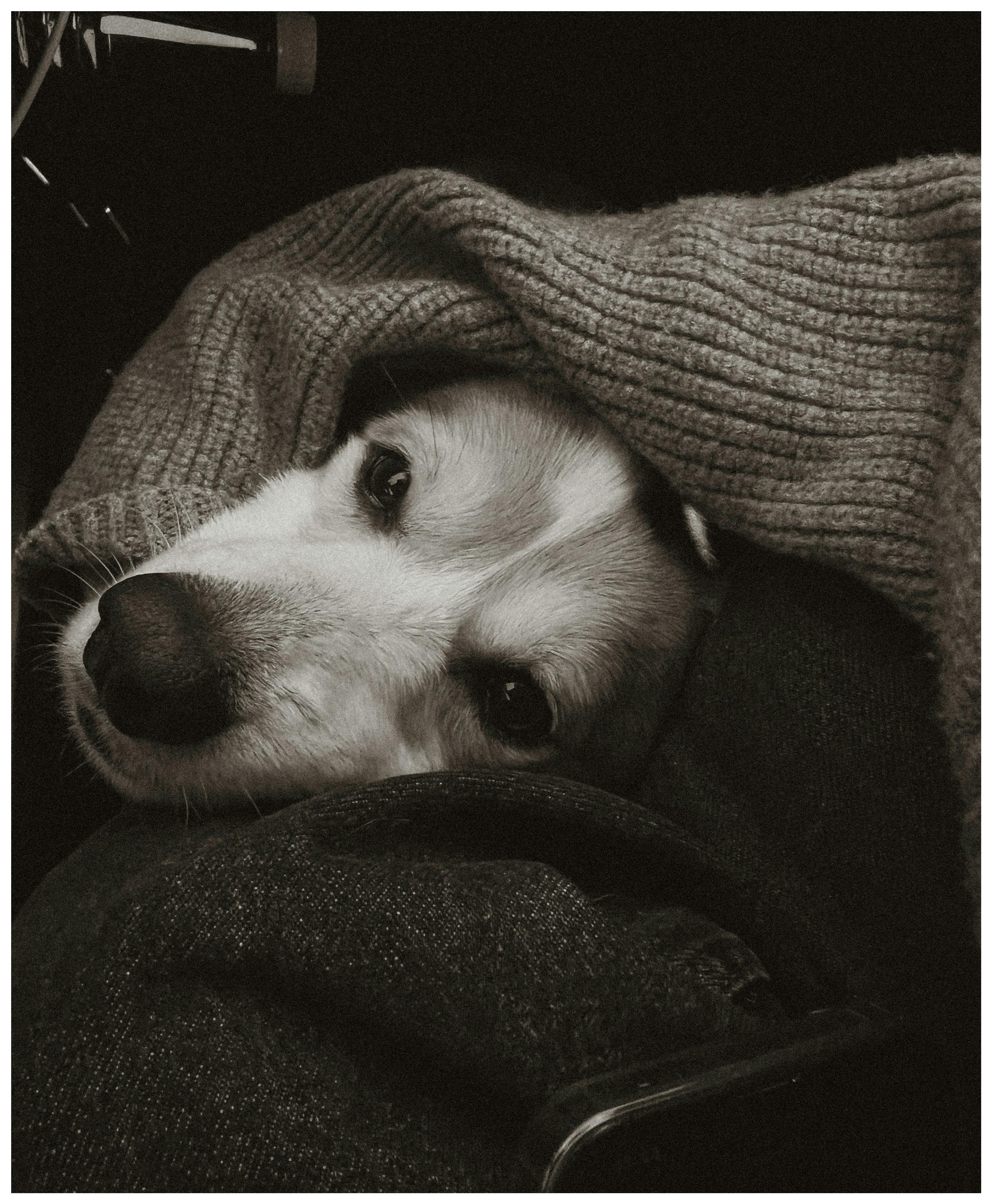
Photo by Caleb Wright under the Unsplash License.
Puppies investigate their surroundings with their mouths, and mouthing is a common part of play and development. That does not mean you have to accept teeth on skin. A simple response plan can show your puppy what is suitable to bite while keeping interactions calm.
Set up the right alternative
Keep an appropriate toy within reach wherever puppy play usually happens. If your puppy moves towards hands, sleeves or ankles, offer the toy before teeth make contact when you can. Move the toy in a way that supports play, rather than waving your hands around the puppy's face. The aim is to give your puppy another target and make that choice easy to repeat.
Everyone in the household should respond in a similar way. Consistency and gentle responses help a puppy learn that toys are suitable for mouthing and people are not. Have toys ready before active play begins, particularly during times when your puppy tends to become excited.
When teeth touch skin
If your puppy makes contact with skin, pause the interaction briefly. Stop moving, remove attention and give your puppy a moment to settle. Once the puppy is calmer, offer a suitable toy or resume a quieter activity. This creates a clear pattern: teeth on people make the game stop, while calm play with a toy can continue.
Avoid squealing, shouting or physical punishment. A loud reaction can increase excitement, and punishment may create fear. It can also make it harder for your puppy to learn the gentle response you want. Keep your voice and movements calm, especially if the puppy is already highly aroused.
Look at the timing
Mouthing can be more difficult to manage when a puppy needs rest, food or suitable activity. Notice what happens before the biting starts. If it appears near a regular meal, rest period or energetic play session, adjust the routine where possible. A calm break, a meal or suitable activity may help meet the need behind the unsettled behavior.
This is not a reason to let biting continue. It is a prompt to prepare earlier. Offer a toy before your puppy becomes overexcited, keep play gentle, and include opportunities for rest. Short, calm interactions may be easier for a tired or excited puppy than a long session.
Keep children supervised
Children and puppies should be supervised together. An adult can step in early, offer a toy and pause the interaction if teeth appear. Children may find puppy mouthing exciting or alarming, and quick movements or loud reactions can increase the puppy's excitement. Make sure children have a clear, simple rule: do not wrestle with the puppy or use hands as toys, and ask an adult for help when play becomes too boisterous.
Know when to ask for help
Arrange help from a qualified dog behavior professional if the behavior persists despite calm, consistent management, or if it becomes fearful or escalates. Seek guidance promptly when the behavior is difficult to interpret or you are worried about keeping people safe. Bring a clear description of what happens before, during and after the mouthing, including whether it occurs during play, handling or particular situations.
Puppy mouthing is a normal developmental behavior, but your response still matters. Prepare a toy, pause attention when teeth contact skin, protect rest and meal routines, and supervise children closely. Repeated gentle practice gives your puppy a clear alternative without adding fear or extra excitement.
Further reading & sources
Blue Cross: Puppy biting and mouthing ↗RSPCA: Understand mouthing and play biting behaviour ↗Every dog is different. This is general information, not a diagnosis or treatment plan. Ask your veterinarian about individual health, diet, and supplement decisions.