When Your Dog Is Afraid of the Harness: Rebuild the Routine
Break harness wearing into small, voluntary steps, check comfort and fit, and use short reward-based sessions without forcing the dog.
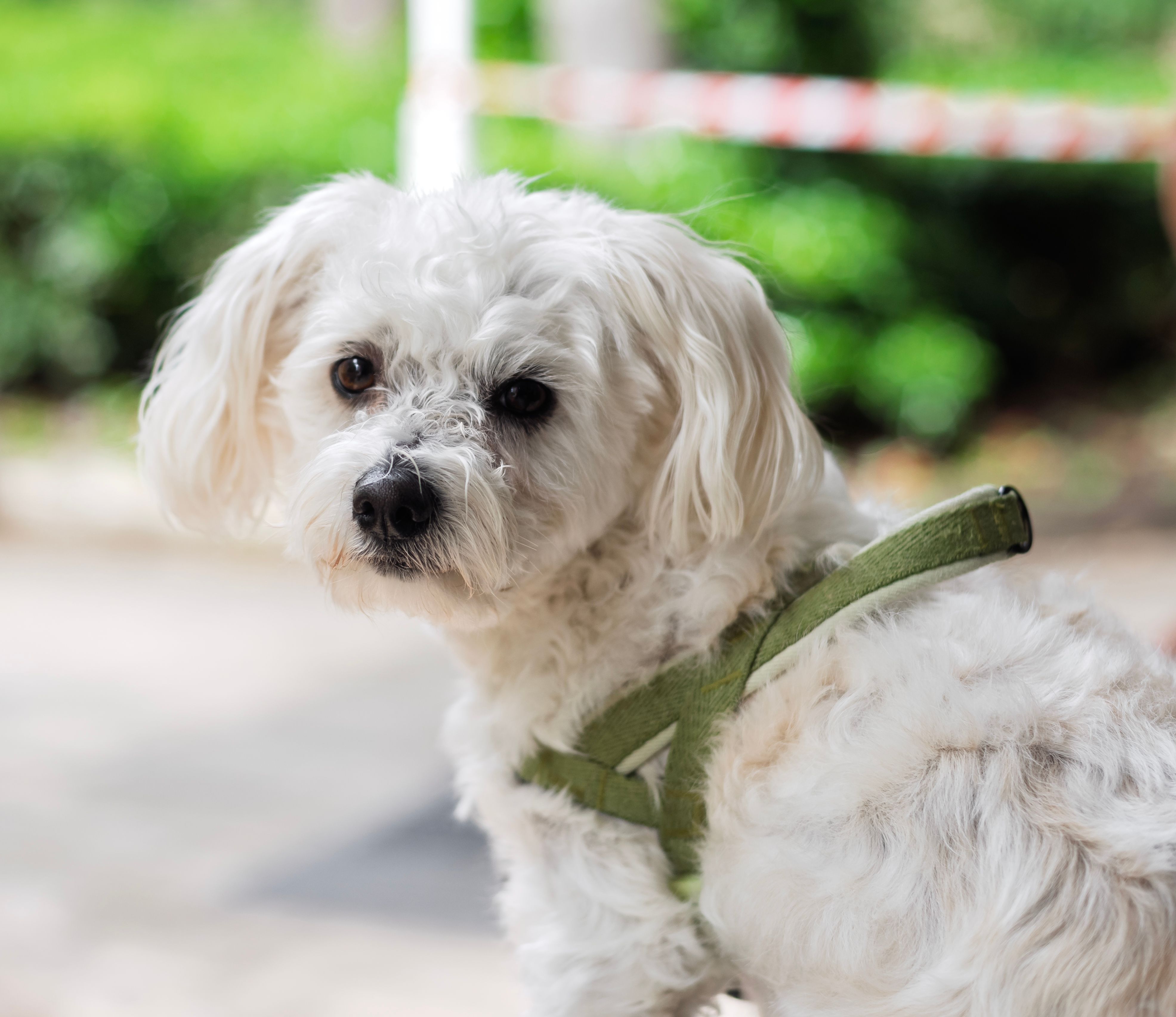
Photo by Emre Ozyemisci under the Pexels License.
A dog who backs away when the harness appears is not being difficult. The equipment, the way it is presented, or the handling around it may feel uncomfortable or worrying. The practical goal is not to get the harness on at any cost. It is to rebuild a sequence the dog can choose to join.
A recent r/OpenDogTraining post shows the reader problem clearly. The owner of a newly adopted dog described freezing, a tucked tail and urination when the leash or harness appeared. That discussion demonstrates real concern, not proof that one method will work for every dog.
Check comfort before training
Look over the harness away from the dog. Check for twisted straps, rough edges, worn clips and places where fur could catch. Dogs Trust advises choosing a design that does not restrict shoulder movement and checking that the harness fits securely without allowing the dog to slip out.
Notice when the reaction started. If a dog suddenly resists equipment they previously accepted, reacts when the neck, shoulders or back are touched, or shows aggression during handling, pause the plan and speak with a veterinarian. Pain or another medical problem needs to be considered before treating the issue as training alone.
Start with the harness on the floor
Choose a quiet room and place the harness on the floor several feet from the dog. Scatter a few treats around it, then step back. The dog can approach, sniff or move away. Do not hold the dog near it or use food to trap them into contact.
When the dog can investigate without retreating, pick up the harness briefly, deliver a treat, and put it down again. Keep the movement small. If the dog stops eating, freezes, lowers their body or leaves, increase the distance and return to an easier version.
Dogs Trust recommends responding to signs of concern by stopping and going back a stage. Its stress guidance also emphasizes creating space rather than forcing a dog to face something frightening.
Divide wearing into separate skills
A harness is not one task. It includes the sight of the equipment, movement near the head or legs, the sound of clips, contact with the body and walking while wearing it. Practice those parts separately.
For a harness that goes over the head:
- Put your hand through the neck opening and offer a treat from that hand.
- Move the treat back only far enough for the dog to place their nose into the opening.
- Let the dog withdraw immediately after taking the treat.
- Build toward the dog placing more of their head through by choice.
- Rest the harness loosely for a moment before attempting any clip.
Practice buckle sounds away from the dog first. Clip and unclip the harness at a comfortable distance, pair the sound with a reward, and stop before the dog becomes worried. A design that fastens around the neck may be easier for a dog who dislikes equipment passing over the head.
Add one change at a time
Once the dog is relaxed with the harness resting in place, fasten one clip, reward, and remove it. Later, fasten the complete harness for a few seconds. Follow with an easy game or familiar cue indoors before adding the lead.
The RSPCA recommends reward-based training in short, regular sessions with few distractions. That matters here: five calm repetitions are more useful than one long session that ends in hiding.
Do not chase a dog under furniture, corner them, or keep advancing because a walk is due. Use a secure alternative recommended by your veterinarian or qualified trainer while retraining if the current equipment cannot be put on without fear. A successful session can end with the harness still on the floor. Progress is the dog staying comfortable and choosing the next step, not simply wearing the equipment.
Further reading & sources
How to train your dog to wear a harness - Dogs Trust ↗Why dogs get scared or frustrated and how to help them - Dogs Trust ↗How to train your dog - RSPCA ↗Every dog is different. This is general information, not a diagnosis or treatment plan. Ask your veterinarian about individual health, diet, and supplement decisions.


